
Operating System
Small businesses face growing cyber threats daily. These 10 proven cybersecurity tactics protect sensitive data, prevent costly breaches, and build trust with customers—without requiring IT expertise.
Multi-factor authentication for all accounts
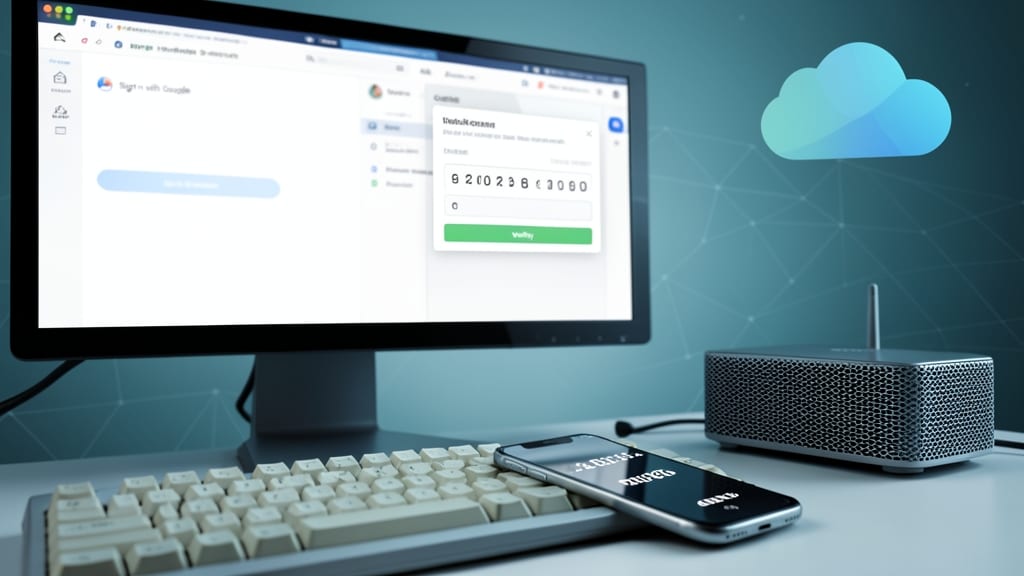
Most breaches start with stolen credentials—yet 99.9% of automated attacks fail when multi-factor authentication (MFA) is enabled. For small businesses, this one step blocks hackers from gaining access even if passwords are compromised.
Start with email accounts (Gmail, Outlook) and cloud services (Slack, Zoom, Dropbox), then extend to financial systems (banking, payment processors). Use TOTP apps like Google Authenticator or hardware keys like YubiKey for maximum security—both are free or low-cost. Most platforms now support FIDO2 standards, eliminating SMS-based MFA (which is easily hacked).
This is non-negotiable for remote teams or businesses with shared devices—where one weak password can expose everything. Set it up in 10 minutes and sleep easier knowing your accounts are locked down. ✨
Automated software patch management system
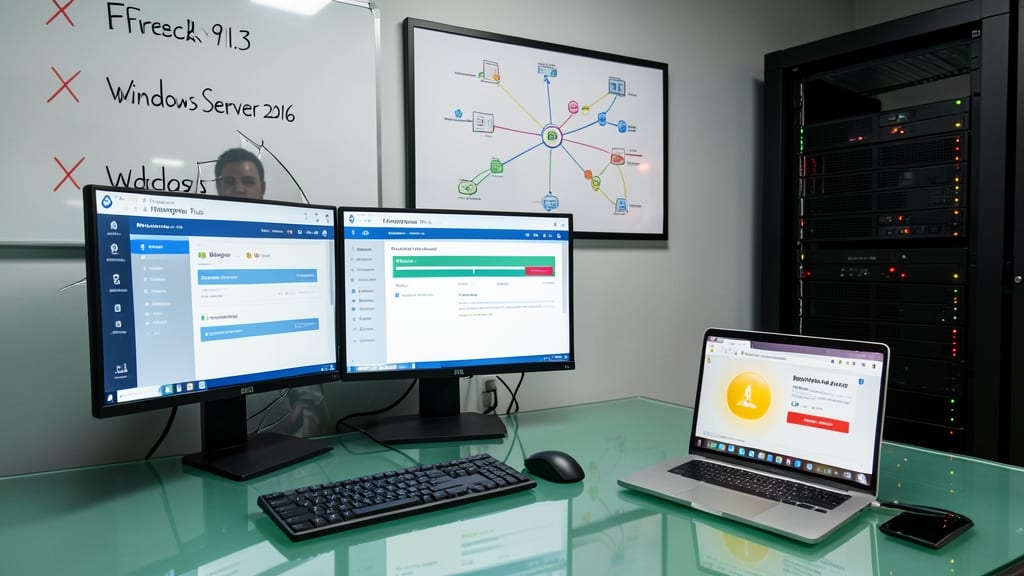
Unpatched software is the #1 way hackers sneak into networks—yet 60% of SMBs still rely on manual updates. An automated patch management system like Patch Manager Plus or SolarWinds Serv-U closes this gap by scanning your entire environment and deploying critical updates for Windows, macOS, browsers, and 3rd-party apps within 48 hours—without IT overhead.
These tools integrate with your existing systems to prioritize patches based on severity, schedule deployments during off-hours, and even roll back problematic updates automatically. For example, Patch Manager Plus supports 1,000+ applications out of the box, while SolarWinds offers AI-driven vulnerability prioritization to focus on exploits actively targeting your industry. Compliance reporting is built-in for audits.
Perfect for small businesses with limited IT staff or those using mixed Windows/macOS environments, these systems reduce breach risks by 80% while freeing up your team to focus on core operations. 💻
Employee security awareness training program

Most breaches start with a single click—yet 74% of data breaches involve human error. A quarterly security awareness program with phishing simulations and interactive training modules can slash that risk by 60%, making it one of the most cost-effective protections for businesses handling sensitive data.
Platforms like KnowBe4 or PhishMe deliver customizable phishing tests (e.g., fake login pages, urgent "CEO email" scams) and track employee progress. Their gamified modules teach spotting malware, secure password habits, and safe browsing—all without disrupting workflow. For teams processing payments or customer records, these programs often include compliance-specific modules (e.g., PCI DSS or GDPR training).
This approach is ideal for small businesses with non-technical staff or remote teams—where security training often gets overlooked. Start with a pilot simulation to identify weak spots, then refine based on real-world mistakes. 💡
Endpoint detection and response tools

Overwhelmed by managing security across Windows and Linux devices with a skeleton IT team? Lightweight EDR (Endpoint Detection and Response) tools like CrowdStrike or SentinelOne offer real-time threat monitoring without the complexity of traditional enterprise solutions.
These cloud-based platforms deploy as agent-based solutions (under 100MB) that run silently in the background, detecting zero-day exploits, malware, and suspicious behavior across your entire network. CrowdStrike’s Falcon boasts a 95%+ detection rate for advanced threats, while SentinelOne integrates AI-driven behavioral analysis to stop attacks before they spread. Both support cross-platform deployment (Windows, macOS, Linux) and provide centralized dashboards for non-technical teams.
Ideal for small businesses with mixed environments or limited security staff, EDR tools require minimal setup and offer 24/7 monitoring—so you can focus on growth while staying protected. ✨
Secure cloud storage configuration guide

Shared cloud folders are convenient—but also prime targets for insider threats or accidental leaks. A zero-trust approach to Google Drive, Dropbox, or OneDrive transforms shared access from a security risk into a controlled environment where every file access is verified.
Start by enabling role-based permissions (e.g., "view-only" for clients, "edit" only for team members) and expiration dates for shared links. Tools like Google Vault or Dropbox Insights let you audit access logs in real-time, while Microsoft Purview for OneDrive adds conditional access rules (e.g., block downloads from unmanaged devices). For extra protection, encrypt sensitive folders with third-party tools like Boxcryptor before uploading.
This setup is ideal for legal firms, creative agencies, or healthcare providers where client data must stay private but collaboration is essential. With zero-trust policies, you get enterprise-grade security without the complexity. ✨
Network segmentation implementation plan
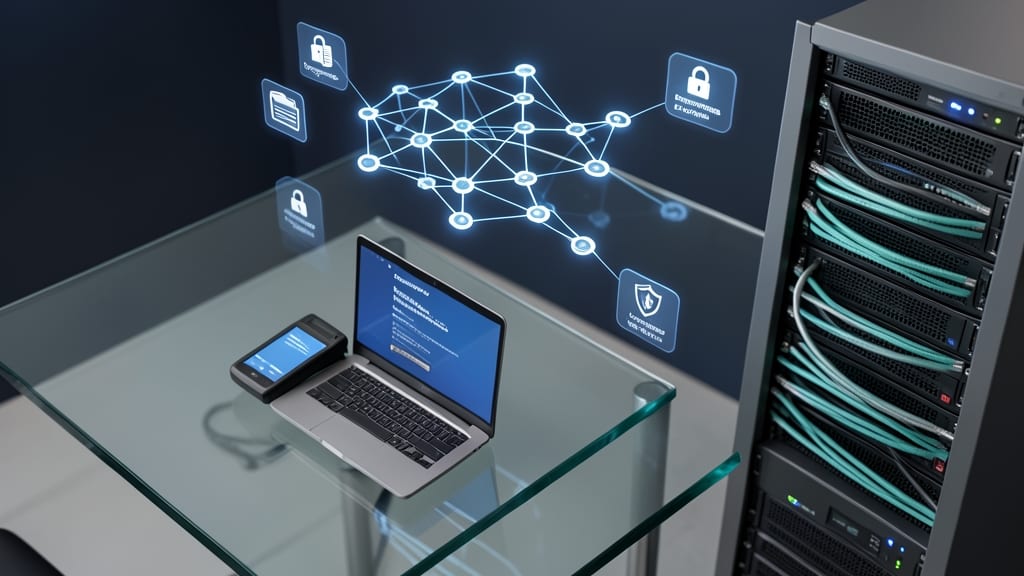
If a breach hits your POS system, you don’t want it spreading to employee records—or worse, your customers’ payment data. Network segmentation acts like a digital moat, isolating critical systems so a single compromised device can’t unlock your entire network.
Start by creating separate VLANs (Virtual LANs) for high-risk areas like POS terminals and HR databases, using your router’s built-in segmentation tools or solutions like Palo Alto Networks or Fortinet. For wireless networks, enforce MAC address filtering on guest Wi-Fi while keeping internal traffic on a dedicated wired VLAN with strict firewall rules. This ensures even if a laptop gets infected, it can’t access your financial systems.
Retail stores, law firms, and healthcare offices see the biggest benefits—any business where sensitive data meets public access should prioritize this. A well-segmented network turns a potential disaster into a contained incident. ✨
Password manager for team accounts

Shared spreadsheets with passwords? That’s a cybersecurity disaster waiting to happen. Marketing teams juggling ad platforms, social media, and CRM accounts need a better way—one that eliminates sticky notes and insecure emails while keeping credentials secure.
Tools like Bitwarden (free, open-source) or 1Password (user-friendly, premium) let teams share credentials with role-based access controls and audit logs. No more "password123" sticky notes—just encrypted vaults that sync across devices. Both support two-factor authentication and emergency access for when someone’s on vacation.
This is especially valuable for teams managing Google Ads, Meta Business Manager, or Salesforce—where a single compromised account can derail campaigns. Start with a free tier to test the workflow before scaling up. ✨
Incident response playbook template

When a breach happens, every minute counts—and panic makes mistakes worse. A pre-built incident response playbook turns chaos into structured action, ensuring compliance with GDPR or CCPA while minimizing damage. These templates include step-by-step checklists, communication scripts for stakeholders, and legal notification workflows, all tailored to your industry.
Look for templates that cover containment protocols (like isolating infected systems), forensic preservation (documenting evidence for investigations), and regulatory reporting timelines (e.g., GDPR’s 72-hour rule). Tools like IBM’s Resilient or Splunk’s Incident Response offer customizable frameworks, while free options from NIST or CISA work for smaller teams. Pre-written email templates for customers and regulators save critical hours during a crisis.
This is non-negotiable for businesses handling customer data, payment info, or health records. Even a single breach can trigger fines up to 4% of global revenue under GDPR—so having a playbook isn’t just smart, it’s survival insurance. ✨
Secure Wi-fi network configuration checklist
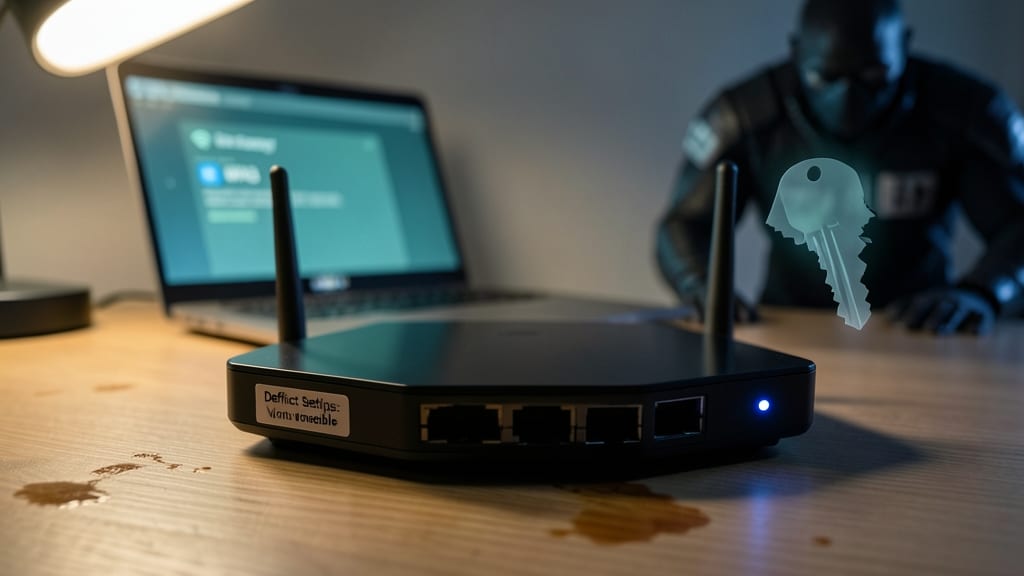
Your router’s default settings are like leaving your front door unlocked—except instead of burglars, you’re inviting cybercriminals to intercept sensitive data. Upgrading to WPA3 encryption and disabling WPS (Wi-Fi Protected Setup) is the first line of defense for businesses with public Wi-Fi or remote teams.
Start by enabling WPA3-Personal (or WPA3-Enterprise for corporate networks) in your router’s security settings—it blocks brute-force attacks and encrypts data more securely than older WPA2. Then, turn off WPS, a feature hackers exploit to crack passwords in minutes. Change your SSID (network name) to something generic (e.g., "GuestWiFi") and set a 20+ character passphrase with numbers/symbols to deter guesses.
This checklist is non-negotiable for cafes, co-working spaces, or offices where employees connect remotely. A single misconfigured router can expose payment systems or client data—don’t let yours be the weak link. 🔧
Regular third-party risk assessments
Your business might be locking down its own systems, but what about the vendors handling your data? A third-party risk assessment evaluates whether your SaaS providers, payment processors, or IT outsourcers meet your security standards—before a breach exposes your gaps.
Start by reviewing vendors’ SOC 2 compliance reports, penetration test results, and incident response policies. Tools like SecurityScorecard or BitSight automate vendor monitoring, while frameworks like NIST SP 800-40 provide structured audit templates. Schedule annual deep dives, with quarterly checks for high-risk vendors like cloud storage or payment gateways.
This is non-negotiable for businesses relying on outsourced IT, e-commerce platforms, or customer data storage. A single vendor breach can trigger cascading liability—don’t wait for a headline to act. 💪