Troubleshooting
Posting too much online can turn your digital life into a security nightmare. These 10 dangers of oversharing on social media reveal how your personal data, safety, and even career can be at risk from a single careless post.
Identity Theft Through Public Location Tags
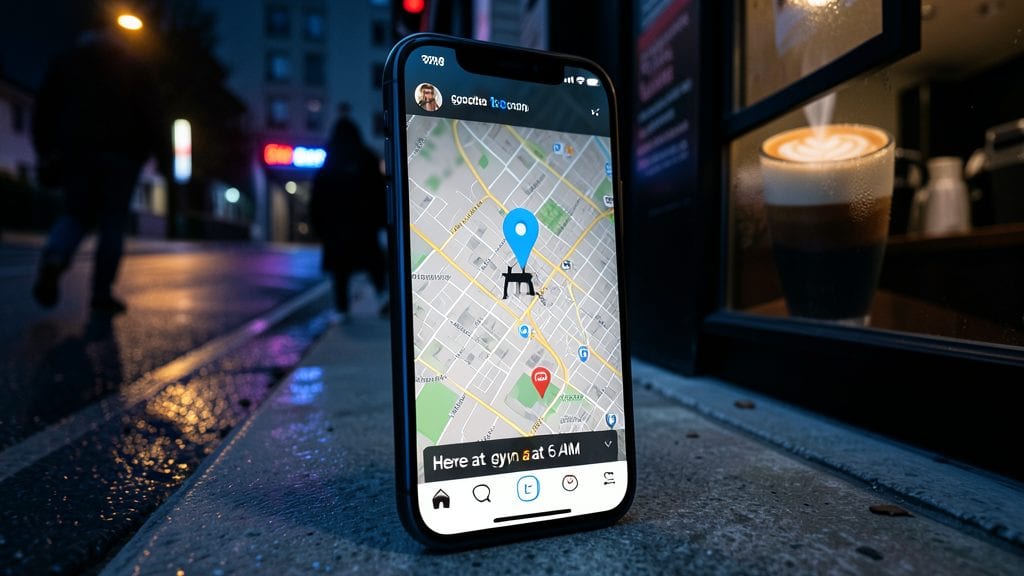
Your daily coffee shop check-in might seem harmless, but criminals use real-time location tags to map your routine—down to your exact home address or work schedule. A single "Here at the gym at 6 AM" post can turn your life into an open playbook for burglars or stalkers.
Platforms like Instagram, Snapchat, and Facebook automatically log and share location data unless you disable it. Even "private" stories can be screenshotted or accessed by hackers. Worse, geotagged photos (even from years ago) remain searchable forever, creating a digital trail for identity thieves to exploit. One study found that 68% of users with public location history were vulnerable to targeted scams.
This risk isn’t just theoretical—it’s a growing trend. Parents posting kids’ school drop-off times or remote workers sharing home office setups are prime targets. Disable location services in app settings and audit old posts before they become a security liability. 💡
Job Loss from Controversial Political Posts
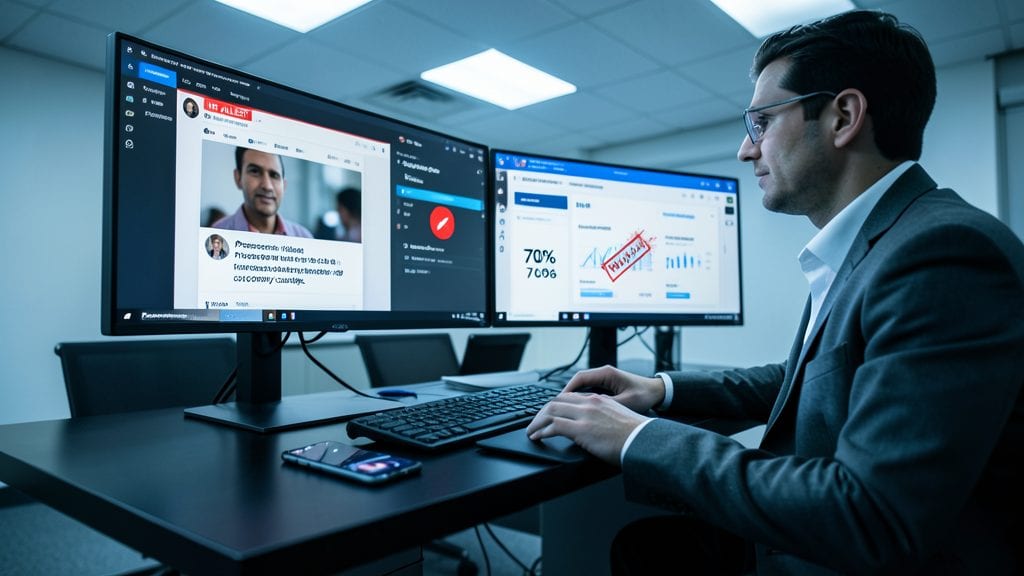
Your next job interview might hinge on a post you made three years ago—one that HR algorithms flagged as "high-risk" for their company’s values. With 70% of recruiters now screening candidates’ social media, even a seemingly harmless political comment can derail your career in conservative or progressive industries.
Platforms like LinkedIn and Facebook now integrate with Applicant Tracking Systems (ATS) to scan for red flags, while tools like Social Intelligence (SOCINT) analyze engagement patterns. A single inflammatory tweet or meme can trigger automated rejections, even if you’ve since grown personally. Industries like finance, tech, and media are particularly vigilant, where cultural fit often outweighs qualifications.
Freelancers and remote workers face extra scrutiny—companies may reject you for promotions if your public posts clash with client values. Always check privacy settings and ask: "Would I want my boss to see this?" before hitting post. 💻
Stalking and Harassment from Oversharing Personal Details

One seemingly harmless post about your anniversary plans or your dog’s name could turn into a nightmare for stalkers and predators. Unlike generic oversharing risks, these details don’t just expose your identity—they create exact timelines for when you’re most vulnerable, whether you’re alone at home or traveling.
Criminals use publicly available birthdays, pet names, or vacation dates to craft personalized threats, from targeted burglaries to emotional manipulation. For example, a post about a weekend getaway might trigger a home invasion when you’re away, while sharing your child’s school name could put them at risk. Even seemingly harmless inside jokes (like nicknames) can be weaponized in scams or harassment campaigns.
If you’re a parent, small business owner, or frequent traveler, this risk is especially critical. Tools like Signal for encrypted messaging and Privacy.com for masking financial details can help, but the first line of defense is thinking twice before posting anything permanent. ⚡
Phishing Scams Using Shared Personal Information
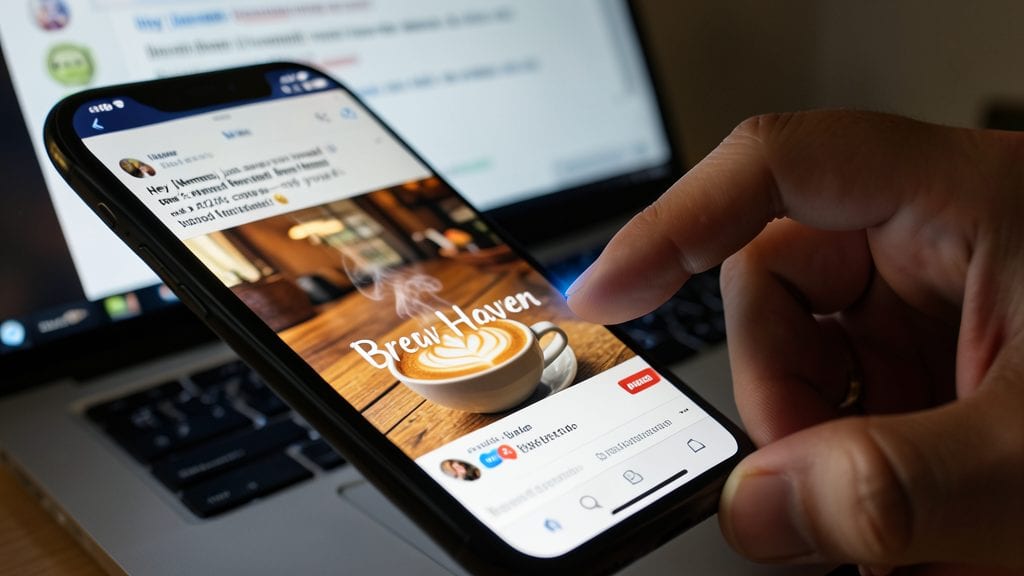
Your seemingly harmless "like" on a friend’s post about their favorite coffee shop could be the key to unlocking a hyper-personalized phishing scam. Hackers scour social media for details like pet names, inside jokes, or even the names of your kids’ schools to craft emails that feel eerily legitimate—like a "security alert" from your bank or a "urgent" message from a "colleague."
These attacks bypass generic spam filters by referencing shared comments (e.g., "Remember that trip to Italy we talked about?") or liked posts (e.g., "Your Netflix password expired—click here to reset"). Tools like Malwarebytes or Bitdefender can block phishing links, but the real defense is limiting what you share. A quick audit of your privacy settings—especially on Facebook, LinkedIn, and Instagram—can cut off the data criminals use to build their traps. ⚡
Blackmail and Revenge Porn Exploitation
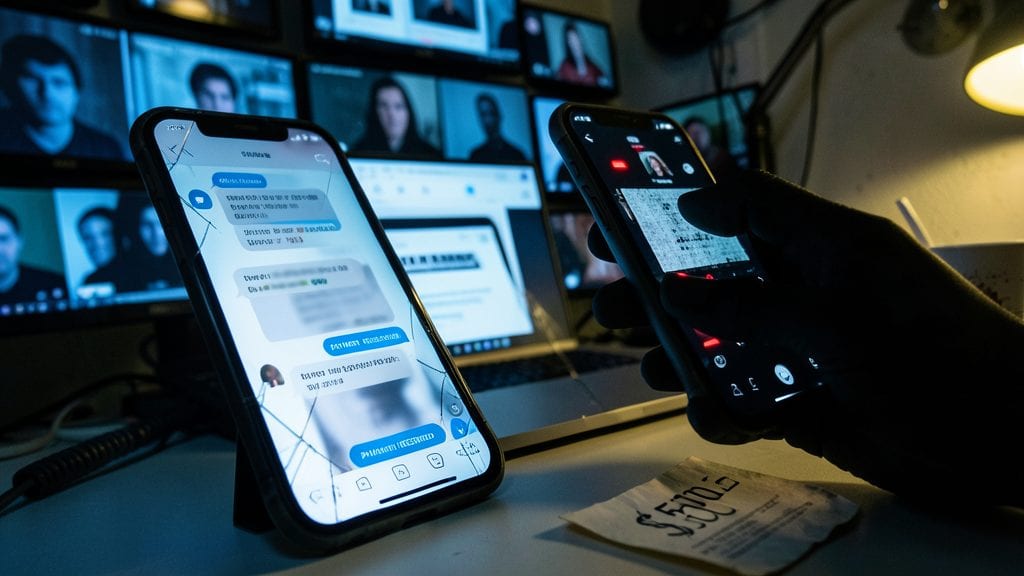
What starts as a private message can become a weapon—blackmailers and revenge porn sites thrive on the intimate content you share in DMs, turning trust into leverage. A single screenshot or screen recording can be sold, leaked, or used to demand money, with platforms like OnlyFans, Telegram, and even WhatsApp becoming hotspots for exploitation.
Cybercriminals exploit zero-trust environments—meaning even encrypted chats aren’t safe if someone has access to your device. Tools like Metacomplier (used in revenge porn cases) can bypass security to extract data, while sextortion scams often start with hacked emails or leaked passwords. The FBI reports over 18,000 sextortion cases in 2022, with victims paying an average of $900 per incident to avoid public shaming.
This risk isn’t just for celebrities—college students, professionals, and even couples are targeted. Always verify recipients, use end-to-end encrypted apps (Signal, ProtonMail), and enable two-factor authentication on all accounts. 💻
Insurance Fraud from Medical Oversharing
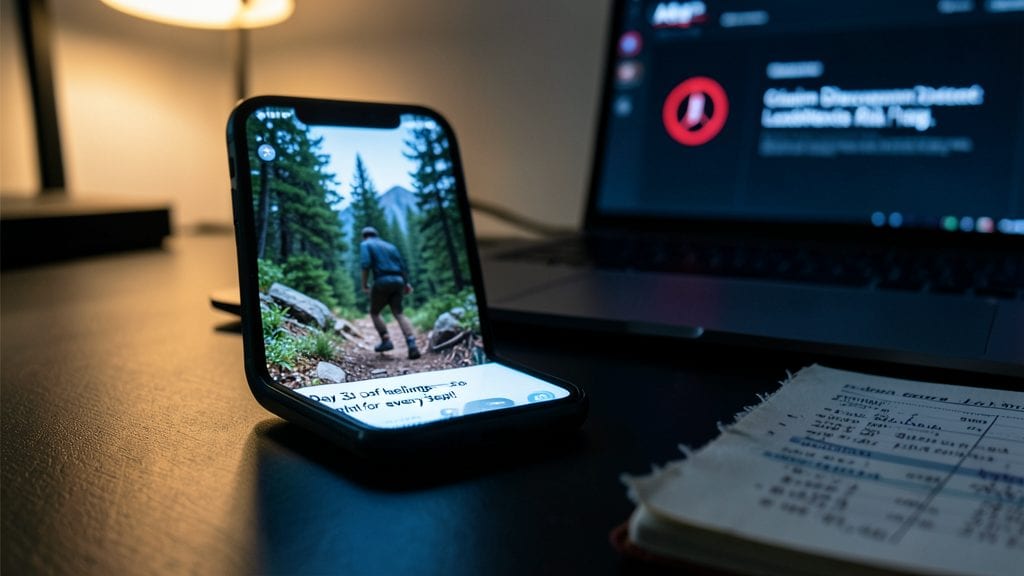
Your "recovery journey" post might seem harmless, but insurers now use AI-powered social media monitoring to flag inconsistencies in claims. A single photo of you hiking "post-surgery" or a status update about mental health struggles could trigger audits—or worse, claim denials.
Companies like LexisNexis and Verisk Analytics scan platforms for keywords like "injury," "therapy," or "medication" to detect fraud. Even mental health discussions can raise red flags—one study found insurers denied 12% of claims where policyholders posted about symptoms before filing. The risk isn’t just denial: premiums can spike or policies get canceled entirely.
If you’re dealing with chronic conditions or recent procedures, limit posts to private accounts or use time-delayed sharing (like Facebook’s "On This Day" feature). For extra protection, check if your insurer partners with monitoring tools—some even require social media reviews during appeals. 💻
Kidnapping Risks from School or Routine Posts
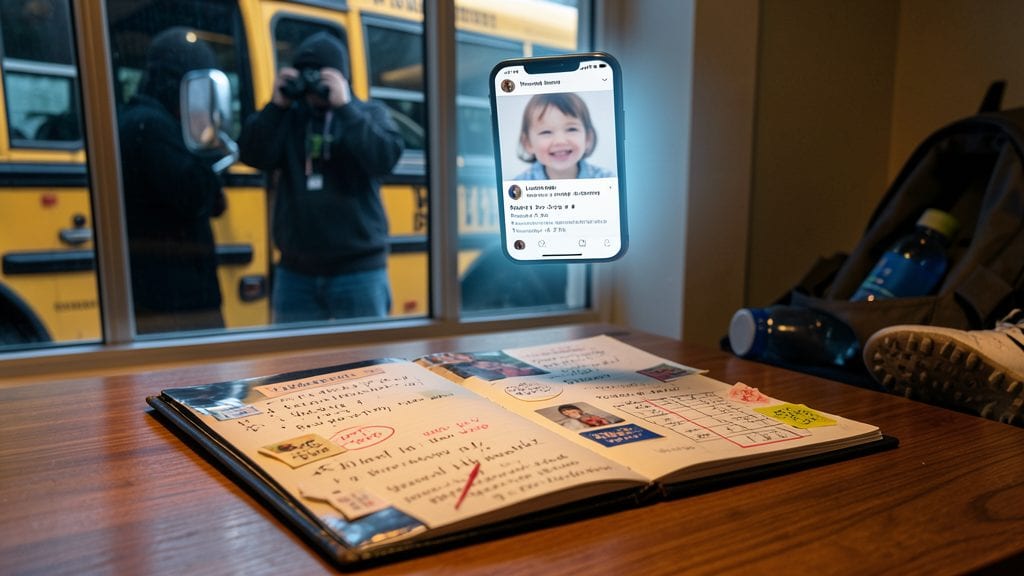
That "cute" school photo album might be a kidnapper’s treasure map. Parents often share school names, bus routes, or after-school sports schedules without realizing these details let predators track children’s daily routines with eerie precision.
Criminals monitor social media for posted school drop-off times (e.g., "Leaving for soccer at 4 PM") or geotagged photos near playgrounds—information they use to stage abductions when kids are most vulnerable. Even seemingly harmless posts like "First day at XYZ Elementary!" can reveal a child’s exact location to those with malicious intent.
This risk isn’t just theoretical: law enforcement agencies warn that routine posts create predictable patterns predators exploit. Parents should enable private accounts, avoid geotagging, and never share real-time school-related updates. 💡
Algorithmic Discrimination from Oversharing Beliefs
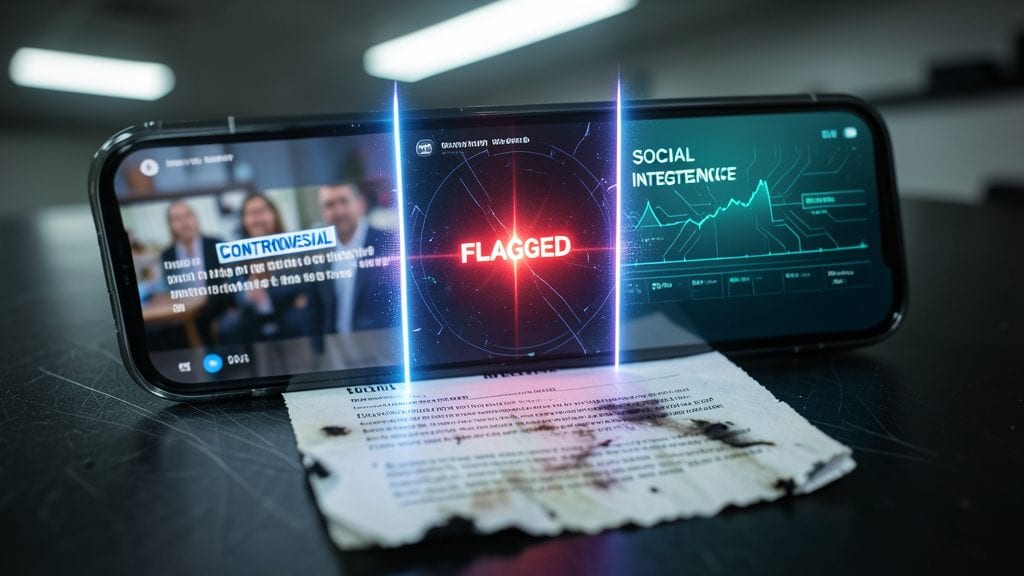
Your political rant or religious belief might seem like free speech—but algorithms don’t see it that way. Companies like HireVue and Social Intelligence now scan social media profiles in real-time, using AI-driven bias detection to flag candidates or applicants based on controversial posts, even if they’re years old.
Landlords running background checks through services like MySmartMove or Zillow Rental Manager may reject renters for posts about activism or lifestyle choices. Loan approvals? Some banks use alternative credit scoring that includes social media activity, penalizing borrowers for perceived "high-risk" beliefs. The kicker? These decisions often happen before you ever apply—your digital footprint gets pre-screened.
If you’re in a highly regulated industry (finance, law, healthcare) or applying for competitive roles, assume your social media is being audited. Tools like BrandYourself or DeleteMe can help scrub old posts, but the real fix? Think twice before posting anything that could be weaponized by an algorithm. ✨
Financial Scams Through Fake Friend Requests
Ever accepted a friend request from someone claiming to be an old colleague or childhood friend? That "friend" might be a scammer exploiting your overshared personal details—like birthdays, pet names, or even inside jokes—to trick you into sending money or revealing sensitive financial info.
Scammers create fake profiles using stolen photos or AI-generated avatars, then craft messages that feel eerily personal. They’ll reference your dog’s name (from a past post) or mention a shared birthday to build trust before asking for urgent help—like a fake emergency loan or investment opportunity. These scams bypass basic security checks because they’re hyper-personalized, making them harder to spot than generic phishing emails.
Small business owners and freelancers are especially vulnerable, as scammers impersonate clients or partners to request last-minute payments. Always verify identities via phone or video call before sharing financial details—even with someone you think you know. 💡
Emotional Manipulation Through Oversharing Struggles
Ever hit "post" about a tough breakup or financial setback, only to wake up to a flood of unsolicited advice—or worse, digital manipulation? Your vulnerability becomes a target for clout-chasers, trolls, and even manipulators lurking in comment sections.
Platforms like Reddit or Twitter thrive on drama, where oversharing personal struggles can trigger doxxing risks (exposing private details) or gaslighting tactics disguised as "support." Even well-meaning friends can inadvertently leak your posts to the wrong audiences. Tools like Signal’s disappearing messages or private subreddits offer safer alternatives for venting.
If you’re someone who documents life’s challenges online, audit your privacy settings and limit audience visibility. Your emotional honesty deserves boundaries—not a public forum. ✨