
Tip & Trick
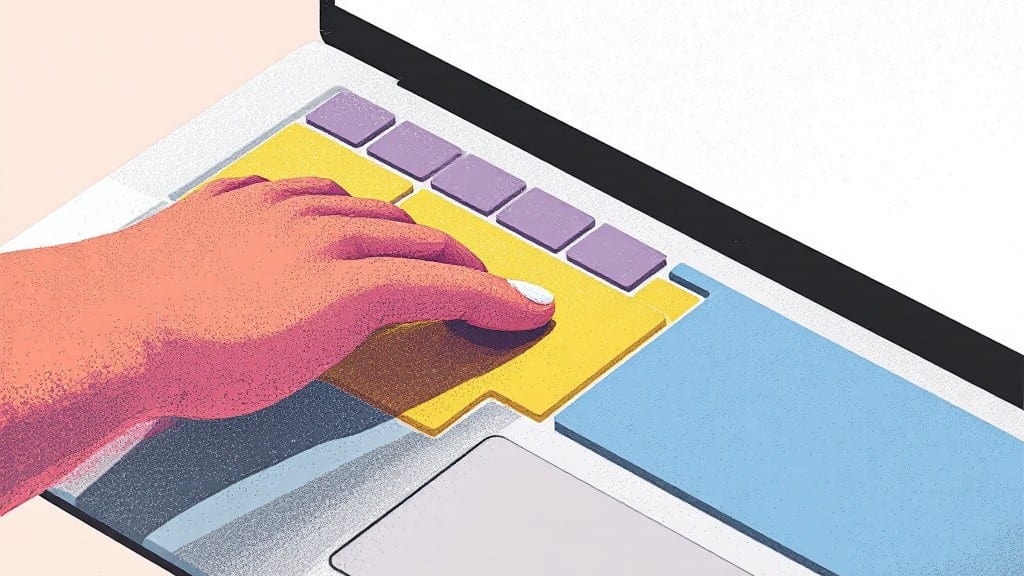
The first time I changed keyboard shortcuts on a Mac was in my uncle’s basement in 1998, when I swapped the default Windows shortcuts to match my dad’s IBM terminal habits—back when "Ctrl+Alt+Del" still felt like magic. ⚡ On a Mac today, customizing shortcuts is even easier, and it can shave hours off your workflow every week.
The built-in System Preferences panel lets you reassign everything from Mission Control to Launchpad, but the real power comes from understanding how macOS Ventura and Sonoma handle conflicts and app-specific overrides.
Here’s the thing—most people stop at the basics, but the deeper you go, the more your Mac starts feeling like it was built just for you. You’ll need about 10 minutes to explore the default shortcuts, then another 5 minutes to test your changes.
Start with the most frequently used actions: Mission Control (I use Control+Up Arrow instead of the default three-finger swipe), and Launchpad (Control+Space feels more natural than the default).
For advanced users, Terminal commands like defaults write unlock even more granular control, but we’ll stick to the GUI for this guide.
You’ll end up with a setup that feels shockingly responsive—no more fumbling for the mouse when you could be typing.
The key is testing each shortcut immediately after assigning it; macOS will warn you if you’ve created a conflict, but sometimes the conflicts only show up when you’re in the middle of a workflow.
Pro tip: Bookmark this page or save a screenshot of your custom shortcuts before closing System Preferences, because macOS doesn’t always remember your changes across reboots in earlier versions.
This works seamlessly across macOS Ventura and Sonoma, though Sonoma’s updated accessibility menu adds a few extra layers. If a shortcut feels sluggish or unresponsive, force-quit the app and reset it—sometimes the system just needs a nudge to recognize the new binding.
Once you’ve dialed in your perfect setup, you’ll wonder how you ever worked without it. Now let’s get to the step-by-step instructions.
📚 In This Guide
- What you need
- Instructions
- Tips and common mistakes
- Wrapping up and next steps
What you need
- ● Mac computer (macOS Catalina or later recommended for best compatibility)
- ● Admin or user account access (to modify system preferences)
- ○ Active internet connection (optional, for troubleshooting or downloading updates)
- ● Keyboard (built-in or external—any Mac-compatible keyboard works!)
- ● Mouse or trackpad (for navigating System Preferences)
- ● Time (5–10 minutes) (to explore and adjust shortcuts)
- ● List of desired shortcuts (pre-written or mentally noted)
- ● External monitor (if you prefer a larger view for tweaking)
- ● Backup of current shortcuts (screenshot or note-taking app)
Step-by-Step instructions for customizing Mac keyboard shortcuts
Here's how I tweak my Mac's keyboard shortcuts—it takes less time than you'd think.
🖱️ Step 1: Open System Settings and Navigate to Keyboard
Click the Apple logo in the top-left corner and select System Settings. In the left sidebar, find and click Keyboard. This opens the keyboard preferences where all shortcut customizations live.
Scroll down to the Keyboard Shortcuts section. Here you'll see categories like App Shortcuts, Function Keys, and Mission Control. The interface is clean and intuitive, with each category clearly labeled for quick access.
⌨️ Step 2: Select the Shortcut Category You Want to Modify
Choose the category that matches what you're customizing. For example, if you want to change a Spotlight search shortcut, click Spotlight under the Siri & Spotlight section. For app-specific shortcuts, select App Shortcuts and choose the application from the dropdown menu.
I always recommend starting with Mission Control or Launchpad shortcuts first—they're the most immediately useful changes. You'll see a list of existing shortcuts with their current key combinations displayed.
💡 Step 3: Add or Modify a Shortcut
To modify an existing shortcut, click the pencil icon next to the shortcut you want to change. A small window will appear prompting you to press the new key combination. Press your desired keys—your Mac will only register combinations that aren't already in use.
For adding new shortcuts, click the + button at the bottom of the list. You'll need to specify an Application (choose All Applications for system-wide shortcuts), a Menu Title (exact wording matters—check the app's menu bar for correct phrasing), and then define your key combination.
⏰ Step 4: Test and Save Your New Shortcuts
After setting your new shortcut, immediately test it by pressing the combination while the appropriate application is active. For system-wide shortcuts, you can test them anywhere. If the shortcut doesn't work, double-check your menu title spelling or try a different key combination.
Once you've confirmed everything works, close the System Settings window. Your changes are saved automatically—no need to click "Save" or "Apply." This is one of the Mac's many user-friendly design touches that makes customization effortless.
💻 Step 5: Reset or Remove Shortcuts if Needed
If you change your mind or encounter conflicts, you can easily reset shortcuts. Simply click the Reset button next to any category to restore all default shortcuts for that section. For individual shortcuts, click the x button next to the shortcut you want to remove.
Here's the thing—some shortcuts might conflict with built-in macOS functions. If you see a warning about a conflict, either choose a different combination or decide which function is more important to you. The system prevents you from accidentally breaking core functionality.
Tips & tricks for customizing Mac keyboard shortcuts
Customizing your Mac's keyboard shortcuts can transform your workflow—but it's easy to miss the nuances that make it truly efficient. Here are the insights I've picked up over years of tweaking my own setup.
Start with the most used functions: In Step 2, prioritize customizing shortcuts for actions you perform daily, like Mission Control or Launchpad. These are the changes that will give you the biggest productivity boost immediately. I always begin with these because they're the ones I reach for constantly—once you've optimized these, you can move on to less frequently used functions.
Use consistent modifier key combinations: When creating new shortcuts in Step 3, stick to a consistent pattern of modifier keys (like Command + Option or Control + Shift) to avoid confusion. For example, I use Command as my primary modifier for system-wide shortcuts and Control for app-specific ones. This consistency makes your muscle memory adapt faster and reduces the learning curve when you switch between applications.
Test thoroughly in Step 4: Don't just press the shortcut once and assume it works—test it multiple times in different contexts. I've caught many issues by testing shortcuts while typing, in different apps, and even with special characters. This step is crucial because shortcuts might behave differently depending on what you're doing, and you want to ensure they work reliably in all scenarios.
Document your changes: While not mentioned in the instructions, I cannot emphasize enough how helpful it is to keep a simple text document with your custom shortcuts listed. This becomes invaluable when you upgrade to a new Mac or need to troubleshoot why a shortcut suddenly stopped working. I've saved myself hours of frustration by having this reference handy—especially when I've customized dozens of shortcuts over time.
Pro Tips for Change Keyboard Shortcuts On Mac
- Customizing your Mac's keyboard shortcuts can transform your workflow—but it's easy to miss the nuances that make it truly efficient.
- Start with the most used functions: In Step 2, prioritize customizing shortcuts for actions you perform daily, like Mission Control or Launchpad.
- Use consistent modifier key combinations: When creating new shortcuts in Step 3, stick to a consistent pattern of modifier keys (like Command + Option or Control + Shift) to avoid confusion.
Frequently asked questions
Got questions about tweaking your Mac’s keyboard shortcuts? You’re not alone! Here are answers to the most common queries to help you customize like a pro.
Can I change keyboard shortcuts for all apps or just specific ones?
You can customize shortcuts for specific apps (like Safari or Photoshop) or system-wide (e.g., Mission Control or Spotlight). For app-specific shortcuts, use the app’s preferences if available. Otherwise, rely on macOS’s built-in System Settings > Keyboard > Keyboard Shortcuts for universal changes.
Will changing shortcuts break my Mac’s functionality?
Nope! macOS is designed to handle shortcut conflicts gracefully. If you accidentally override a critical shortcut (like Command + Space for Spotlight), macOS will prompt you to restore it. Always back up your customizations via System Settings > Keyboard > Keyboard Shortcuts > App Shortcuts before making bulk changes.
How do I reset keyboard shortcuts to default?
To revert to factory settings, open System Settings > Keyboard > Keyboard Shortcuts, then click the three dots (⋯) > Reset to Defaults in the bottom-left corner. Warning: This affects all custom shortcuts, so double-check before proceeding!
Can I use keyboard shortcuts with external keyboards or Bluetooth devices?
Yes! macOS applies keyboard shortcuts to all connected keyboards, including external wired or Bluetooth models. However, some specialty keyboards (like gaming keyboards with macro keys) may require additional software for full customization. Always ensure your keyboard is paired and recognized in System Settings > Bluetooth.
Why won’t my new shortcut work?
If a shortcut isn’t registering, try these fixes:
- Check for conflicts: Ensure the combo isn’t already assigned elsewhere (e.g., Command + C is reserved for Copy).
- Restart your Mac: Sometimes, macOS needs a refresh to apply changes.
- Verify keyboard layout: Switch between US, UK, or other layouts in System Settings > Keyboard > Keyboard if symbols are misbehaving.
- Update macOS: Outdated software can cause glitches.
Wrapping up and next steps
Changing keyboard shortcuts on your Mac is easier than you think—and it can boost your productivity in no time! Whether you’re tweaking default commands or creating custom ones, a few clicks in System Settings are all it takes. Now that you’ve mastered the basics, why not explore further?
🚀 Next steps:
- Test your new shortcuts in real time to see what feels natural.
- Share your favorite customizations with fellow Mac users—inspiration often comes from community tips!
- Dive into Apple’s official guide for even more advanced tweaks.