
App
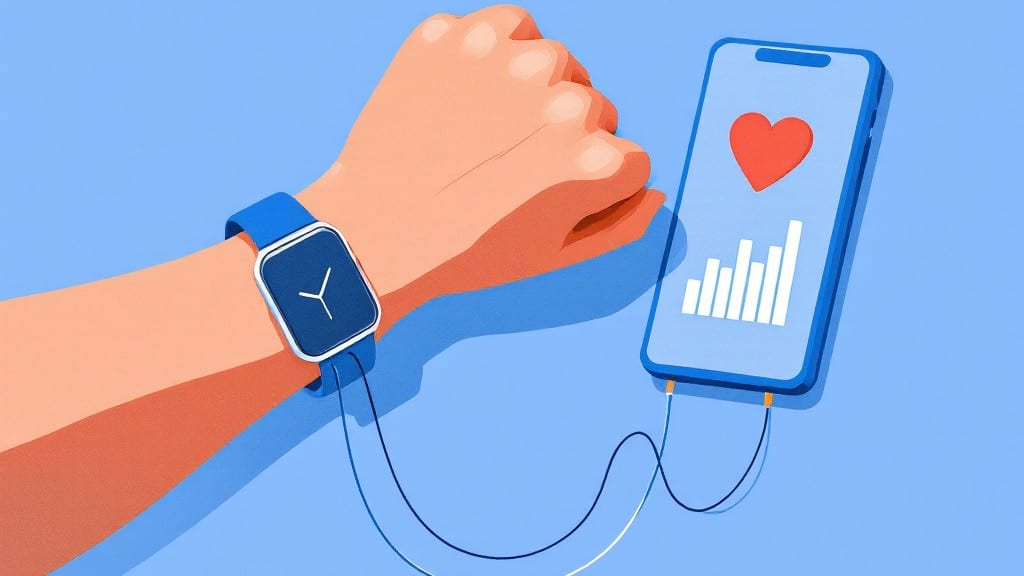
The Microsoft Health app for Band 2 turns your fitness tracker into a full health dashboard, syncing every workout, heart rate spike, and sleep cycle to your phone or PC in real time.
If you’ve ever stared at your Band 2’s screen wondering how to actually use the data—or worse, lost hours of workouts to a sync glitch—this app is the game-changer you’ve been missing. No more manual logs or scattered stats; just seamless integration that works across Windows, Android, and iOS.
Here’s how to set it up in under 5 minutes, unlock hidden features like sleep insights and workout trends, and troubleshoot the most common sync failures before they happen.
From tracking your resting heart rate to comparing your progress over time, we’ll show you exactly how to make your Band 2 and Microsoft Health app work together—no tech degree required.
How to sync Microsoft Band 2 data with the Microsoft Health app
Your Microsoft Band 2 collects valuable health and fitness data, but without proper syncing, that data stays trapped on your device. The Microsoft Health app acts as the bridge, transferring real-time heart rate, workout metrics, and sleep analysis to your phone or PC.
Whether you're tracking a 5K run or monitoring nightly sleep patterns, seamless syncing ensures you never miss a beat.
The Band 2 syncs wirelessly via Bluetooth Smart, but setup requires precise steps to avoid connection errors. I’ll walk you through pairing your Band 2 with the Microsoft Health app on both Windows 10/11 and mobile devices, plus troubleshooting tips for when syncs fail.
No more manual data entry—just automated, real-time updates.
⚠️ Critical Note: Ensure your Band 2 firmware is updated (version 1.5.1100 or higher) and your device meets Bluetooth 4.0+ requirements. Older firmware or incompatible Bluetooth versions are the #1 cause of sync failures.
Step-by-Step Sync Guide
- Step 1: Update Band 2 firmware via Microsoft Health app (Settings > Device Update).
- Step 2: Install the app from Microsoft Store (Windows) or App Store (iOS/Android).
- Step 3: Pair devices by opening the app and selecting "Add a device" > "Microsoft Band 2".
- Step 4: Enable Bluetooth on your phone/PC and wait for the Band 2 to appear in the list.
- Step 5: Confirm pairing on both devices. The Band 2 LED will flash blue during sync.
- Step 6: Set auto-sync to "On" in app settings (prevents manual data entry).
For Windows 10/11 users, the Microsoft Health app syncs directly to the Microsoft Health Dashboard in your browser. Log in with your Microsoft account to access historical data across devices. Pro tip: Use the "Sync Now" button in the app’s Settings menu if auto-sync lags.
Mobile users on iOS/Android can sync data to Google Fit or Apple Health via the app’s Export Data feature. This is especially useful if you use third-party fitness apps like Strava or MyFitnessPal. Just ensure your Band 2 battery level stays above 20% during syncs to avoid interruptions.
If your Band 2 won’t connect, start with a hard reset: Hold the Band 2 button for 10 seconds until the LED flashes red. Then retry pairing. For Windows users, update Bluetooth drivers via Device Manager (Right-click Start > Device Manager > Bluetooth > Update driver).
Sync issues often stem from Bluetooth interference. Move closer to your phone/PC or restart both devices. If the Band 2 syncs but data is incomplete, check the app’s sync history (Settings > Sync Logs). Corrupted logs can block partial data transfers—clearing them (via app reset) usually fixes this.
Once synced, the Microsoft Health app provides real-time alerts for high heart rate or irregular sleep patterns. Customize notifications in the Alerts section to focus on workout intensity or sleep quality. For advanced users, the Windows app integrates with Cortana for voice-activated health summaries.
To maximize sync efficiency, avoid background app conflicts. Close other Bluetooth-heavy apps (e.g., Spotify, Zoom) during syncs. The Band 2 prioritizes health data, but competing signals can delay transfers. Schedule syncs during low-activity periods (e.g., overnight) for uninterrupted data flow.
With these steps, your Band 2 and Microsoft Health app will work in harmony, turning raw fitness data into actionable insights. No more guesswork—just real-time tracking and performance trends at your fingertips. 📡
Key Microsoft Health app features for Band 2 users
The Microsoft Health app transforms your Microsoft Band 2 into a comprehensive fitness tracker by centralizing data like real-time heart rate, workout metrics, and sleep analysis.
Unlike the Band 2’s limited on-device display, the app provides detailed insights on your phone or PC, helping you optimize performance and recovery. Whether you’re a runner, cyclist, or yoga enthusiast, this integration unlocks deeper analytics to track progress over time.
One of the app’s standout features is its real-time heart rate monitoring, which syncs every few seconds during workouts. This data helps you stay in optimal heart rate zones (fat burn, cardio, or endurance) and adjust intensity dynamically.
For example, if you’re cycling, the app can alert you when your heart rate spikes too high, preventing overexertion. Pair this with the workout tracking feature, which auto-detects activities like running, cycling, or yoga and logs calories burned, distance covered, and duration.
Sleep analysis is another powerful tool in the app, breaking down your rest into light sleep, deep sleep, and REM cycles. Over time, you’ll spot trends—like poor sleep after intense workouts—that help you adjust your routine.
The app even provides sleep score recommendations, such as maintaining a consistent bedtime or reducing screen time before bed. For runners, this is especially useful: deep sleep aids muscle recovery, so optimizing it can improve your next marathon.
Interpreting data trends is where the app shines. The trend analysis feature generates weekly and monthly graphs for heart rate variability, workout duration, and sleep quality. For instance, if your resting heart rate drops over time, it’s a sign of improved cardiovascular fitness.
Similarly, tracking your average calories burned per workout helps you set realistic goals. Pro tip: Use the goal-setting tool to create challenges, like increasing your weekly yoga sessions by 20%—the app will remind you to stay on track.
To maximize these features, ensure your Band 2 is synced via Bluetooth and the app is updated to the latest version. On Windows 10/11, data syncs automatically to the Microsoft Health dashboard, where you can dive deeper into metrics.
For mobile users, the app’s dark mode and customizable widgets make it easy to glance at your stats anytime. Whether you’re a casual gym-goer or a competitive athlete, these features turn raw data into actionable insights for smarter training.
Don’t overlook the app’s cross-device sync capability. Your workout history, heart rate data, and sleep logs appear seamlessly on your phone, tablet, or PC. This is a game-changer for users who switch between devices—no more fragmented data.
For example, review your cycling performance on your phone during your commute, then export the details to a spreadsheet for long-term analysis. The app’s export function lets you save data as CSV files, perfect for sharing with trainers or analyzing with third-party tools like Excel or Google Sheets.