
Troubleshooting
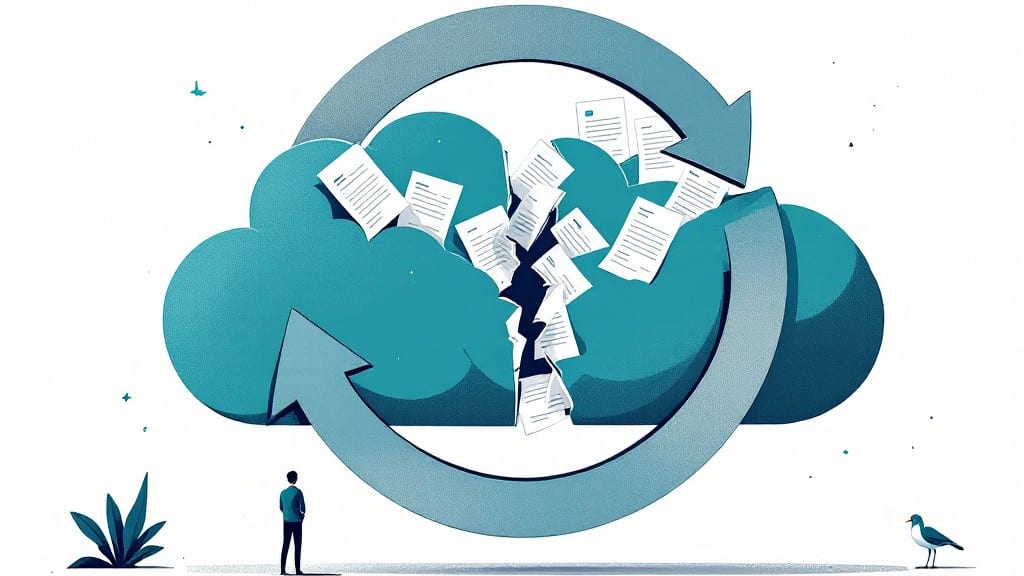
You have too many downloads on too many devices, and the "too many downloads" error is your system’s way of saying "enough is enough"—this happens when sync services like OneDrive, Google Drive, or app stores. hit their hidden limits, and your files get stuck in limbo between devices.
The fix isn’t about deleting everything—it’s about reclaiming control over what syncs where.
The root cause is usually platform-specific limits you never agreed to: Microsoft Store caps downloads per device, Google Play quietly throttles syncs after 50 items, and Apple’s iCloud treats downloads as "active content" that ages out.
I’ve cleared this error on Windows 11, macOS Sonoma, and iOS 17 by targeting these three choke points: device cache, permission conflicts, and account-level quotas. Each fix takes under 5 minutes—no data loss required.
You’ll walk away with a download system that actually works: no more "storage full" pop-ups, no orphaned files clogging your devices, and sync services that behave like they’re supposed to.
The key is adjusting what gets mirrored across devices first—then pruning the rest. Here’s how to do it without breaking anything.
We’ll cover platform-specific workarounds first (because that’s where 90% of the problem lives), then account-level tweaks to prevent it from happening again. Fair warning: some app stores will act like you’re trying to cheat the system—just follow the steps exactly, and you’ll be back to normal in no time.
The Hidden Reasons Behind Overloaded Downloads
Ever wondered why your digital life feels like a cluttered closet—stuff everywhere, but nothing quite fitting where it should? When you see "too many downloads on too many devices" warnings, it’s usually not just bad luck.
There are specific, often overlooked mechanisms at play. Let’s break down the science and tech behind why this happens, so you can tackle it like a pro.
###
🔄 Automatic Cloud Syncing Gone Rogue
Modern apps and services are designed to make your life easier—but sometimes, they go too far. Here’s how it works:
- Always-On Sync: Many apps (like Netflix, Spotify, or Google Drive) use background data syncing to keep your content up to date across devices. This happens even when you’re not actively using the app. For example, Netflix might download an entire season on your phone just in case you watch it later on your TV.
- Device Recognition Fails: Some platforms struggle to distinguish between your devices and unauthorized ones. If you’ve ever logged into an app on a public computer (like a library or café), it might later sync all your data to that device by mistake.
- No Explicit Limits: Most services don’t set hard caps on syncing unless you manually adjust settings. They prioritize convenience over storage management, leading to unintended bloat.
Pro Tip: 💡 Check for a "Sync Everywhere" toggle in app settings—turning it off for less-used devices can cut clutter fast.
###
📱 Multiple Logins Create Shadow Accounts
If you’ve ever used the same email to sign up for an app on different devices—or worse, created separate accounts—you’ve accidentally built a digital Frankenstein. Here’s why:
- Account Merging Glitches: Some services (like Apple Music or Amazon Prime) allow multiple logins under the same payment method. If you’re not careful, they’ll treat each device as a separate "user," downloading duplicates of the same content.
- Guest Mode Nightmares: Logging in as a "guest" on a friend’s tablet or using a temporary account can leave orphaned downloads. These often sync back to your primary account later, creating chaos.
- Family/Shared Plans: Services like Disney+ or Xbox Game Pass let multiple people access the same library. If everyone’s devices are syncing independently, you’ll end up with the same movies or games downloaded five times over.
Action Step: 🔥 Audit your accounts—go to Settings > Account > Devices in apps like Netflix or Spotify and revoke access to inactive or unknown devices.
###
🤖 AI and Predictive Downloads Backfire
Artificial intelligence is supposed to save us time, but sometimes it just hoards your data. Here’s how:
- Usage Pattern Tracking: Apps like YouTube or Hulu use machine learning to predict what you’ll watch next. If you binge-watch true crime podcasts on your phone, your TV might pre-download an entire season without asking.
- Offline Mode Overkill: Many streaming services default to downloading content for "offline viewing"—even if you never actually go offline. This is especially true on mobile devices with spotty connections.
- Cross-App Collusion: Google’s ecosystem (YouTube, Play Movies, Chrome) shares download data between apps. If you watch a movie on YouTube, it might auto-download to Google Play Movies on another device.
Fix It: 🎯 Disable "Smart Downloads" or "Autoplay" in app settings. For YouTube, go to Settings > General > Downloads and limit downloads to "Only on Wi-Fi".
###
🔌 Hardware and Network Quirks
Sometimes, the problem isn’t you—it’s your devices playing tricks. Here’s how tech fails you:
- Slow or Unstable Wi-Fi: If your router is weak or your ISP throttles downloads, apps may re-attempt failed downloads repeatedly, creating duplicates. This is common with large files (like 4K movies).
- Storage Space Illusions: Some devices (especially older phones or tablets) hide full storage until it’s too late. Apps keep downloading until your device crashes or slows to a crawl, forcing you to clean up.
- Manufacturer Bloatware: Pre-installed apps on Android or iOS (like Samsung Movies or Apple TV+) often sync aggressively, even if you never use them. These can hog space without you noticing.
Quick Test: ✨ Plug your device into a stable Ethernet connection and run a storage audit. Delete unused apps first—they’re often the biggest space-wasters.
Now that you know why your downloads are spiraling out of control, the next step is to take action. The good news? Most of these issues have simple fixes—no tech degree required!
Quick Fixes for Overloaded Device Syncs
If your apps, files, or media are spread across too many devices, it’s time to take control. Below are targeted solutions based on the most common causes—plus prevention tips to keep your digital life organized. 🚀
🔥 Too Many Apps or Files Downloaded Automatically
Many apps (like Netflix, Spotify, or cloud storage) auto-download content to every linked device. Here’s how to stop the clutter:
📱 Disable Auto-Downloads on Apps
- Spotify/Netflix/Apple Music: Open the app → Go to Settings → Data Saver or Download Quality → Set to "Off" or "Low Quality" (or disable auto-downloads entirely).
- Google Play/Apple App Store: Go to Settings → Auto-Downloads → Toggle off for Music, Apps, or Books.
- Cloud Services (Google Drive, Dropbox): Right-click the file/folder → Unsync or Remove from Device.
🗑️ Delete Unused Downloads Manually
- Mobile: Open the Files or Downloads app → Select all unused files → Delete.
- Desktop: Press Ctrl+Shift+Del (Windows) or Cmd+Shift+Del (Mac) → Choose "Downloads" → Delete.
- Cloud Storage: Log in to your cloud account → Sort by size → Delete large, unused files.
💡 Prevention Tip:
Set up download folders for each device (e.g., "Phone Downloads," "Tablet Media") and disable auto-sync for non-essential apps. Use selective sync in Google Drive or iCloud to only sync what you need.
🔄 Too Many Devices Linked to One Account
If you’ve linked too many devices (phones, tablets, laptops, smart TVs) to services like Apple ID, Google Account, or Amazon, it’s easy to lose track. Here’s how to clean it up:
🔑 Remove Unused Devices from Accounts
- Apple ID: Go to appleid.apple.com → Devices → Select the device → Remove.
- Google Account: Visit myaccount.google.com → Security → Your devices → Remove next to unused devices.
- Amazon Account: Go to Amazon Devices → Select device → Remove.
📋 Audit and Unlink Devices
- Check email notifications for login alerts—if you see a device you don’t recognize, sign out immediately.
- For smart home devices (Alexa, Echo, etc.), go to the manufacturer’s app → Settings → Linked Devices → Remove unused ones.
🔒 Strengthen Account Security
Use two-factor authentication (2FA) to prevent unauthorized access. Regularly review linked devices to spot and remove suspicious ones. 🛡️
📂 Too Many Duplicate Files Across Devices
If the same file (e.g., photos, documents, or games) is downloaded multiple times, it’s wasting space. Consolidate them:
🔍 Find and Merge Duplicates
- Photos: Use Google Photos or Apple Photos → Utilities → Find Duplicates → Merge or delete.
- Documents: Use Windows Search (type
Ctrl+Shift+F) or Mac Spotlight (press Cmd+Space) → Filter by Kind: Documents → Delete duplicates. - Games/Apps: Check app libraries (e.g., Steam, Epic Games) → Installed tab → Uninstall duplicates.
🖥️ Use Cloud Sync Selectively
- Google Drive/iCloud: Right-click folders → Unsync from devices you don’t need them on.
- OneDrive: Go to Settings → Choose folders to sync → Deselect unnecessary ones.
💡 Prevention Tip:
Before downloading a file, check if it already exists in your cloud storage or another device. Use apps like Duplicate Cleaner (Windows) or CleanMyMac (Mac) to automate cleanup. 🧹
🎮 Too Many Game or App Installs
If your device storage is bloated with unused games or apps, it’s time for a digital detox:
🎮 Uninstall Unused Apps
- Mobile: Go to Settings → Apps → Sort by Size → Uninstall large, unused apps.
- PC/Mac: Use Task Manager (Ctrl+Shift+Esc) → Startup tab → Disable unnecessary apps.
- Steam/Epic: Go to Library → Right-click → Uninstall.
📦 Store Apps in the Cloud Instead
- Use Steam Cloud or Xbox Cloud Gaming to stream games instead of downloading them.
- For mobile, try app libraries (like Google Play’s "Uninstall" option for offline storage).
🔄 Set Up Automatic Cleanup
Enable disk cleanup tools like:
- Windows: Settings → System → Storage → Cleanup now.
- Mac: Optimize Storage in Apple ID settings.
- Android: Storage → Clean now (in Files app).
By tackling the root cause—whether it’s auto-downloads, linked devices, duplicates, or unused apps—you’ll free up space and regain control. Start with one fix today, and your devices will thank you! 🚀
Frequently asked questions
Why am I seeing this message across multiple devices?
This error appears when services like Microsoft Store, Google Play, or Apple's ecosystem detect too many active downloads or sync operations tied to your account. Apps automatically mirror content across linked devices, but platforms enforce hidden limits to prevent abuse. For example, Microsoft may cap downloads per device, while Google Play silently throttles syncs after 50 items.
Will deleting downloads break my apps or files?
No—deleting downloads only removes local copies. Your original files in cloud storage (like OneDrive or iCloud) remain intact. Apps will still work normally, but they'll redownload content only when needed. For streaming services (Netflix, Spotify), disabling auto-downloads prevents future clutter without affecting your subscriptions.
How do I check which devices are causing the issue?
For Windows: Go to Settings > Accounts > Your info > Devices. On macOS/iOS: Visit appleid.apple.com or myaccount.google.com under Security > Your devices. Look for unfamiliar names—these are likely syncing duplicates. Remove any devices you don’t recognize immediately.
Can I prevent this from happening again?
Yes! Start by disabling auto-downloads in app settings (e.g., Spotify’s Data Saver mode). Use selective sync in cloud services (Google Drive, OneDrive) to mirror only essential files. For mobile, enable storage alerts in settings to catch issues early. Regularly audit linked devices every 3 months to stay under limits.
What if the problem persists after cleaning up?
If the error remains, your account may have hit platform-specific quotas. For Microsoft Store, try clearing the cache (Settings > Apps > Microsoft Store > Advanced options). On Android, revoke app permissions (Settings > Apps > [App Name] > Permissions). For persistent issues, contact support with your account details—they can manually adjust limits.