
Tip & Trick
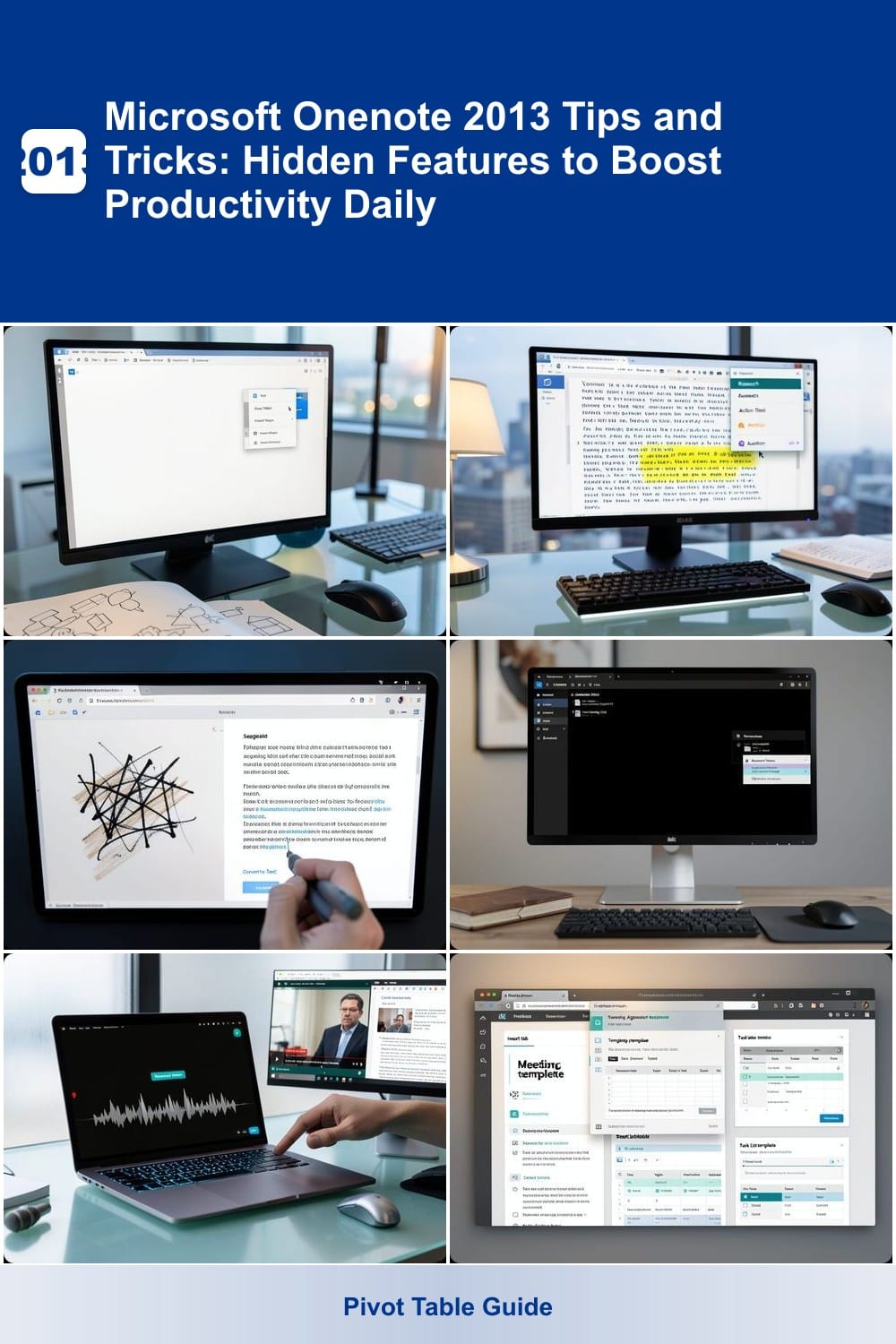
Microsoft OneNote 2013 remains a powerhouse for digital organization, yet most users miss its hidden productivity boosters. These seven underrated tips and tricks will transform how you capture, organize, and retrieve information—saving hours weekly.
Quick Note Taking with Mouse Gestures
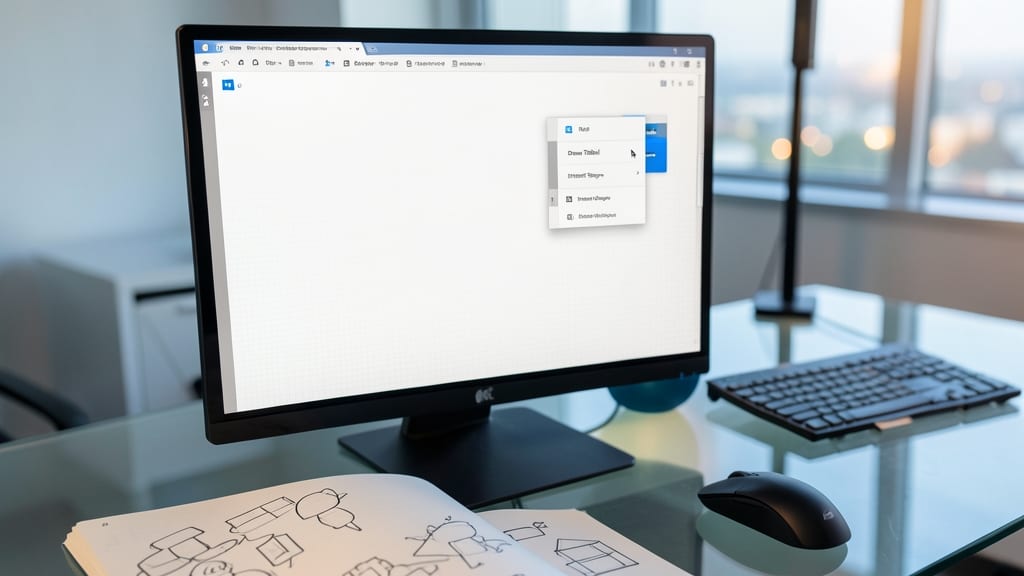
Need to jot down quick ideas during a meeting or presentation but hate fumbling for your keyboard? Microsoft OneNote 2013’s mouse gesture system lets you create notes, draw shapes, or insert tables with just a few clicks—no typing required. Simply right-click anywhere in your notebook, then choose from options like "New Page," "Draw," or "Insert Table" using the context menu. For even faster access, enable "Quick Notes" from the View tab to summon a floating note-taking window with a single click.
This feature shines for visual thinkers—sketch diagrams on-the-fly, annotate slides, or capture bullet points without interrupting your flow. The drawing tools support freehand shapes, arrows, and even basic math symbols, while tables organize data instantly. Best of all, gestures work across all OneNote sections, so you can switch between handwritten notes and typed content seamlessly. No more tab-switching or keyboard distractions!
Perfect for presenters, trainers, or fast-paced professionals, this trick turns your mouse into a productivity power tool. Try it during your next brainstorm—you’ll wonder how you ever lived without it. 💻
Tagging System for Instant Information Retrieval
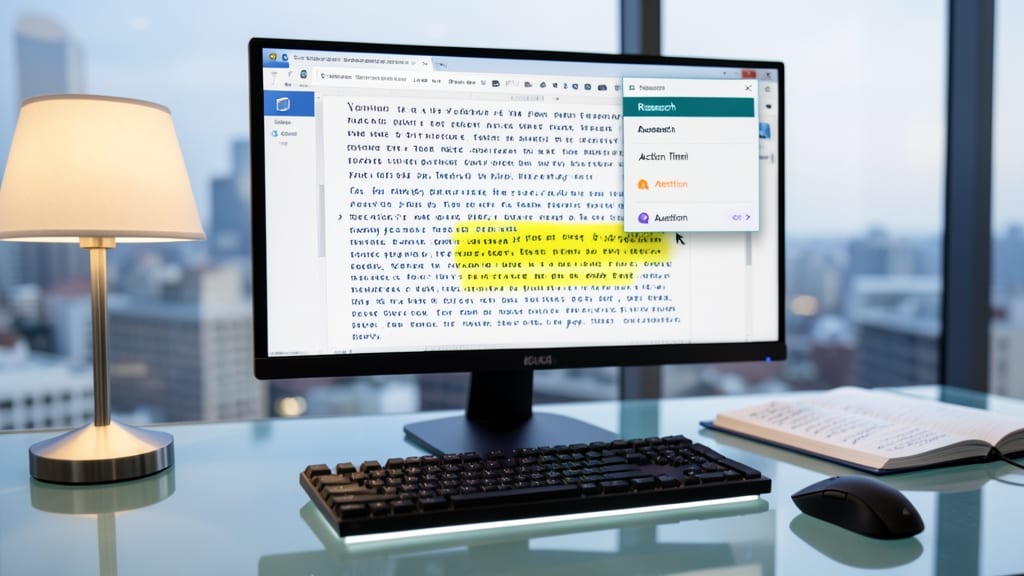
Tired of losing hours searching through pages of notes for that one critical detail? OneNote 2013’s tagging system turns any highlighted text into clickable links—no extra steps required. Simply select text, right-click, and choose from predefined tags like "Research," "Action Item," or "Question," then instantly jump to related notes with a single click.
This isn’t just color-coding—tags create live connections between notes. For example, tag a client name in one section, then click the same tag in another to see all related discussions. The system even supports custom tags, so you can label notes by project, priority, or topic. Best of all, tags sync across devices, so your tagged notes stay organized whether you’re at your desk or on the go.
Researchers cross-referencing sources, project managers tracking action items, or students linking lecture notes—this feature transforms scattered ideas into a searchable, interconnected web of knowledge. No more digging through folders! ✨
Handwriting to Text Conversion for Speed
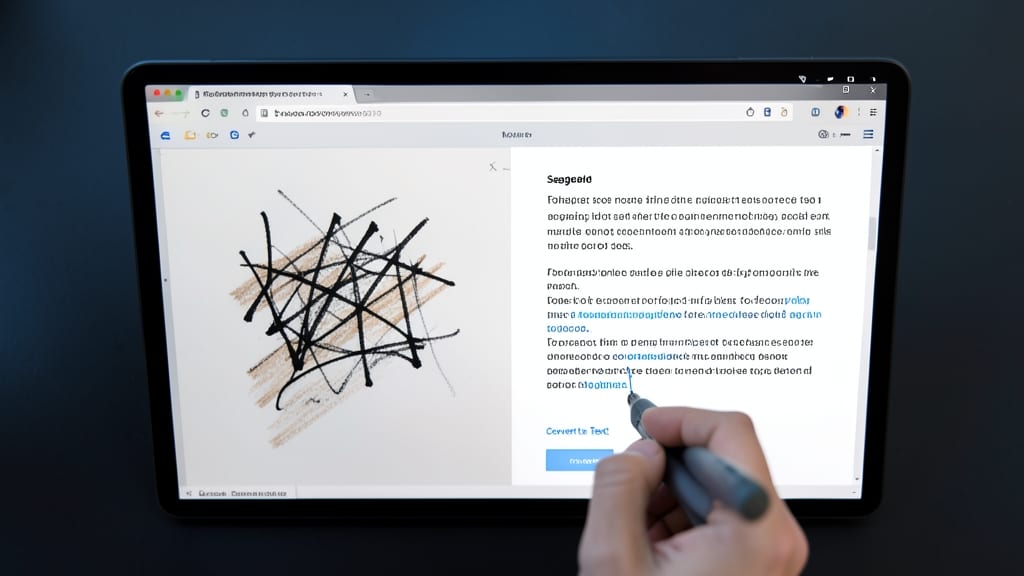
Ever scribbled down a brilliant idea on paper but wished you could instantly digitize it? OneNote 2013’s handwriting recognition turns your messy notes into clean, searchable text with just a click—no third-party apps needed. Simply draw or write on your screen, then select the text and choose "Convert to Text" from the ribbon menu.
The feature supports multiple languages, including handwritten math equations, and works seamlessly with your tablet or touchscreen. Need to edit or copy-paste that converted text? It’s now fully editable, just like typed content. Perfect for students, engineers, or anyone who prefers sketching over typing.
This trick is a lifesaver for professionals who jot down quick sketches or diagrams—now you can archive, search, and share them without losing clarity. ⚡
Section Groups for Dynamic Organization
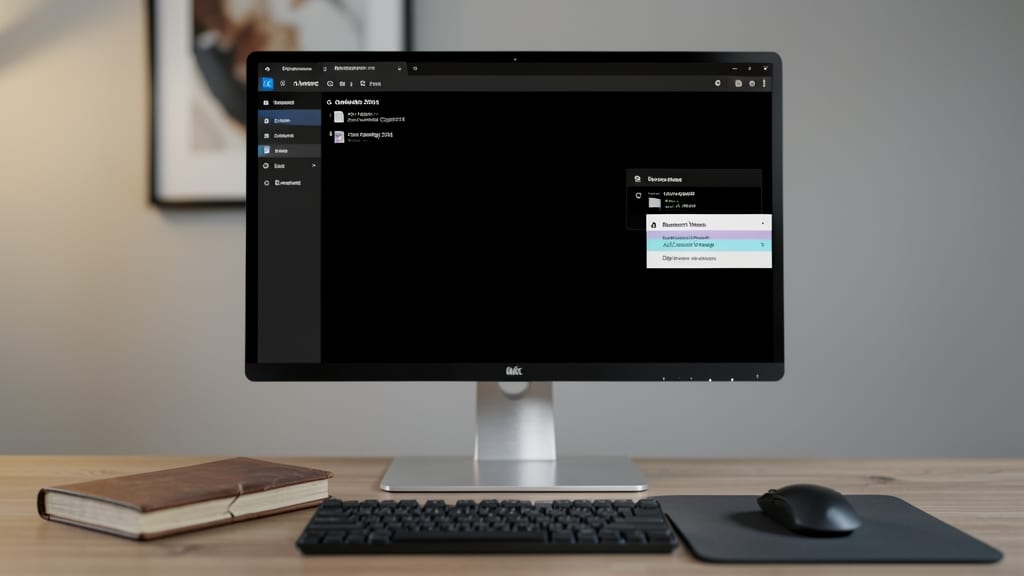
Struggling to keep long-term projects organized without visual clutter? Section Groups in OneNote 2013 let you bundle related sections into collapsible folders—think of them as digital file cabinets that only show when you need them.
Right-click any section in the navigation pane, select "Add Section Group", and drag sections inside. Now, collapse groups with a single click to focus on active tasks while keeping everything accessible. This works perfectly for multi-phase projects (like software development sprints) or client work where you toggle between deliverables without losing context.
Ideal for project managers, developers, or students juggling multiple topics—your workspace stays clean while critical info remains just a click away. ✨
Audio and Video Clipping for Meetings
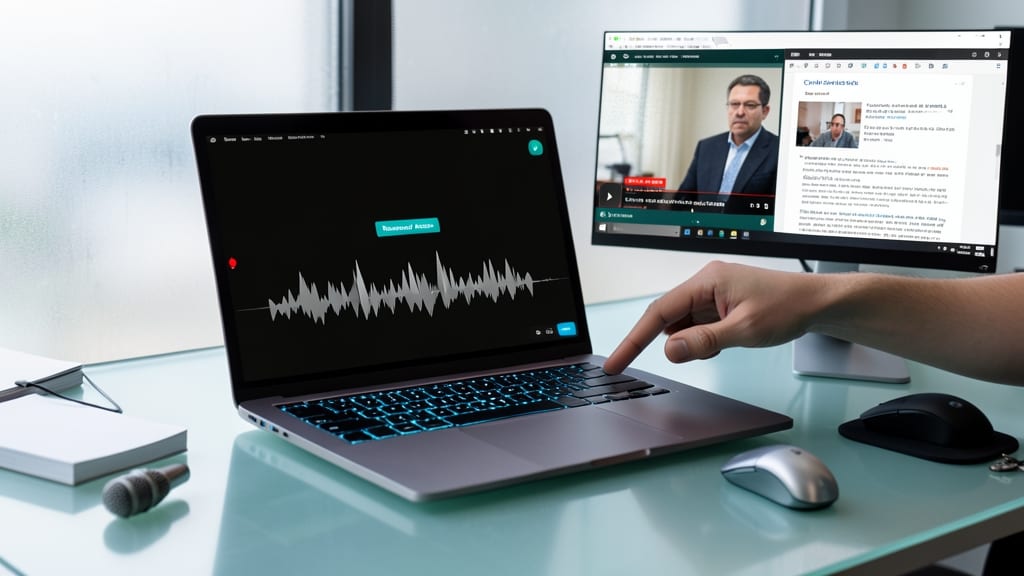
Ever missed a critical detail during a meeting because you couldn’t type fast enough? OneNote 2013’s audio and video clipping tool lets you record and embed clips directly into your notes—no transcription required. Just hit record, and your voice memos or screen captures become searchable, timestamped assets tied to your notes.
With one-click recording from the ribbon, you capture lectures, brainstorming sessions, or client interviews while keeping all context in one place. The embedded player lets you replay clips without leaving your notebook, and searchable transcripts (via Windows Speech Recognition) make key moments instantly findable. Perfect for trainers, interviewers, or anyone who needs to reference spoken content later.
This feature shines for remote teams or students who want to review lectures at their own pace—no more scrambling for scribbled notes. ⚡
Templates for Standardized Note Formats
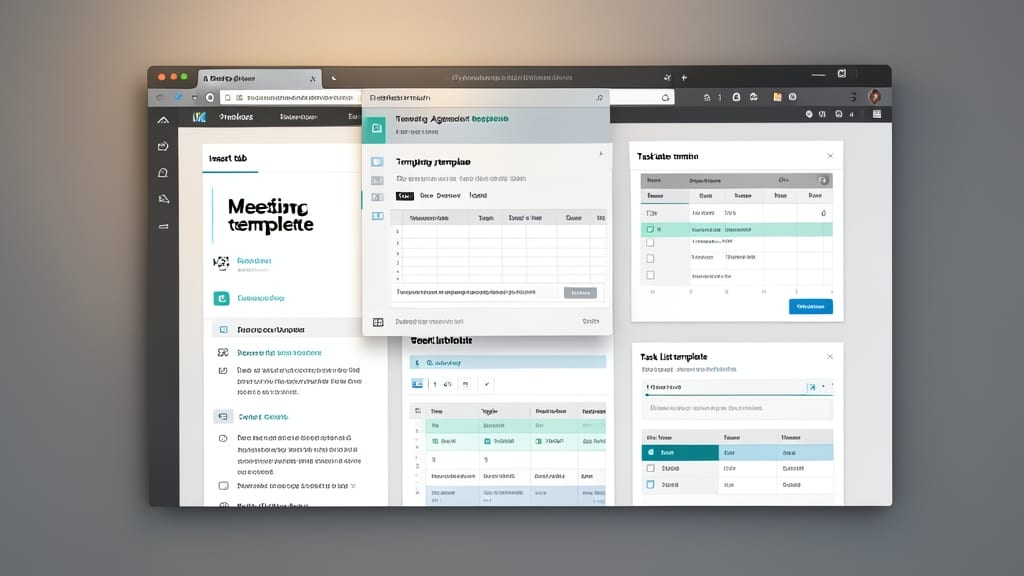
Tired of recreating the same meeting notes or project layouts from scratch? Microsoft OneNote 2013’s pre-built templates solve that problem with one-click solutions for everything from agendas to task lists. Simply navigate to the Insert tab → Templates menu to access ready-made formats like Meeting Minutes or Project Tracker, complete with structured placeholders for dates, attendees, and action items.
These templates aren’t just time-savers—they enforce consistency across teams or personal workflows. For example, the To-Do List template includes checkboxes and priority labels, while the Project Plan features Gantt-style timelines. Customize them further by adding your company’s branding or standard headers, ensuring every note aligns with your workflow without manual formatting headaches.
Perfect for managers, students, or freelancers who juggle multiple projects, these templates turn chaotic notes into professional, reproducible documents in seconds. 💻
Offline Access and Sync with SkyDrive

Tired of losing productivity when your Wi-Fi cuts out? OneNote 2013’s offline-first design lets you work uninterrupted—whether you’re on a train, in a meeting with spotty signal, or just dealing with a temporary outage. Your notes stay accessible, editable, and fully functional until you reconnect.
Enable offline mode via File > Info > Make Available Offline, and OneNote will automatically sync all changes to SkyDrive the next time you connect. This works for entire notebooks or just specific sections, so you control what stays available without internet. The sync is seamless—no manual uploads or version conflicts—making it perfect for fieldwork or travel.
Ideal for consultants, students, or remote workers, this feature ensures your ideas never get lost due to connectivity issues. Just remember to check for sync errors in the Status Bar if you’re unsure. ✨